
Skip to content

The Fallacy of “The Police Are Supposed To Protect Us”

The assumption that the police protect ordinary people reflects privilege. It also echoes copaganda—popular culture that glorifies police violence. In reality, the police enforce state power and upholds dominant power structures.

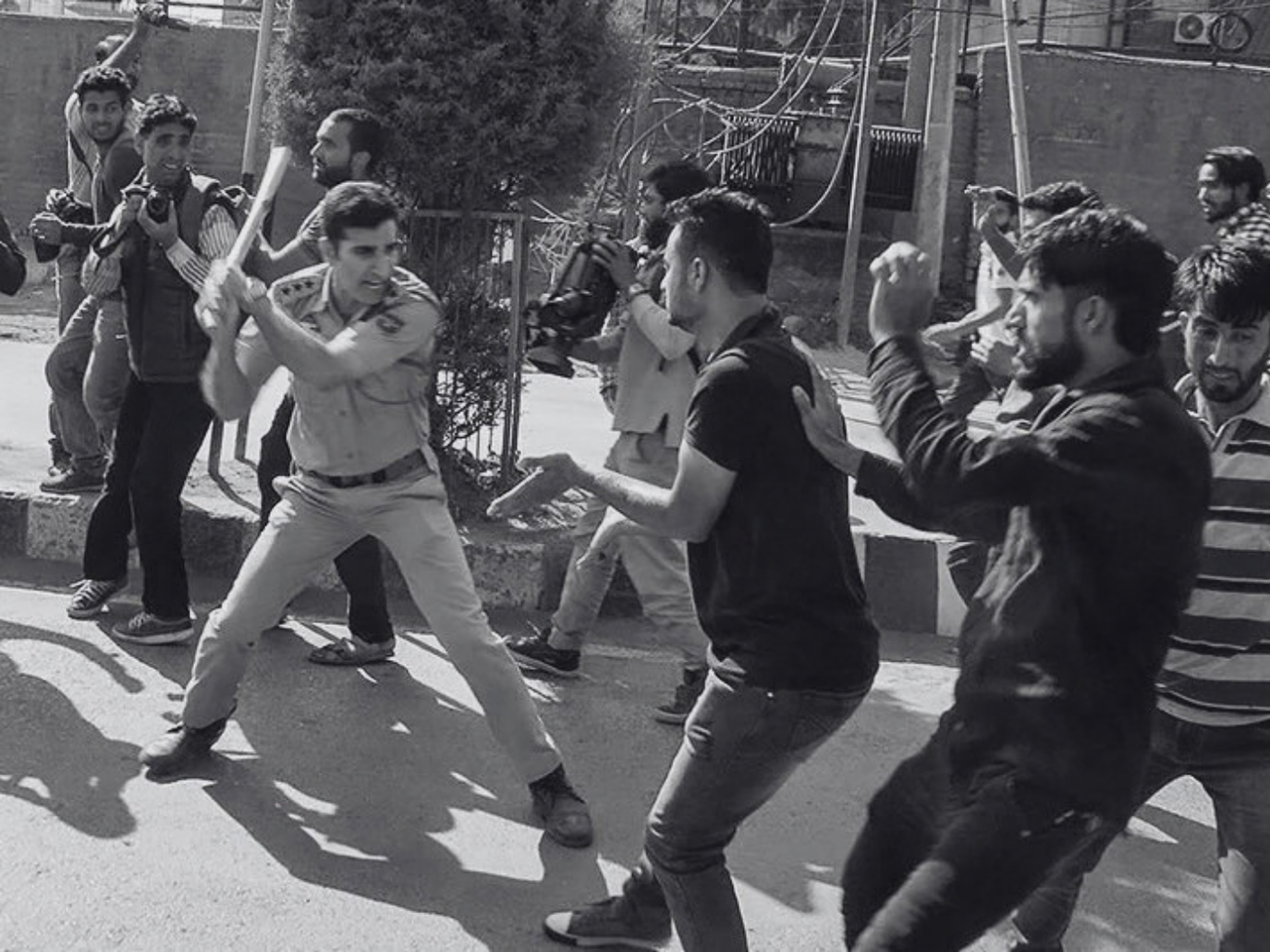
A police officer in uniform swings a baton at a man wearing a dark T-shirt and trousers. Another man, also in dark clothes. Both men in defensive stance. Several other men in the background.
Image Courtesy: Wikimedia Commons (Tasnim News Agency)

“The Police Are Supposed To Protect Us” Many anti-SIR protesters have voiced this with righteous indignation. The assumption that the police protect ordinary people reflects privilege. It also echoes copaganda—popular culture that glorifies police violence. In reality, the police enforce state power and upholds dominant power structures. Those who challenge that power are treated as threats. Under oppressive regimes, even those previously shielded by privilege begin to experience this repression.

The myth of the heroic Bollywood cop
Bollywood has a long tradition of presenting police officers as honest, brave, loveable protectors of ordinary people, or self-sacrificing heroes who will stop at nothing to deliver justice.
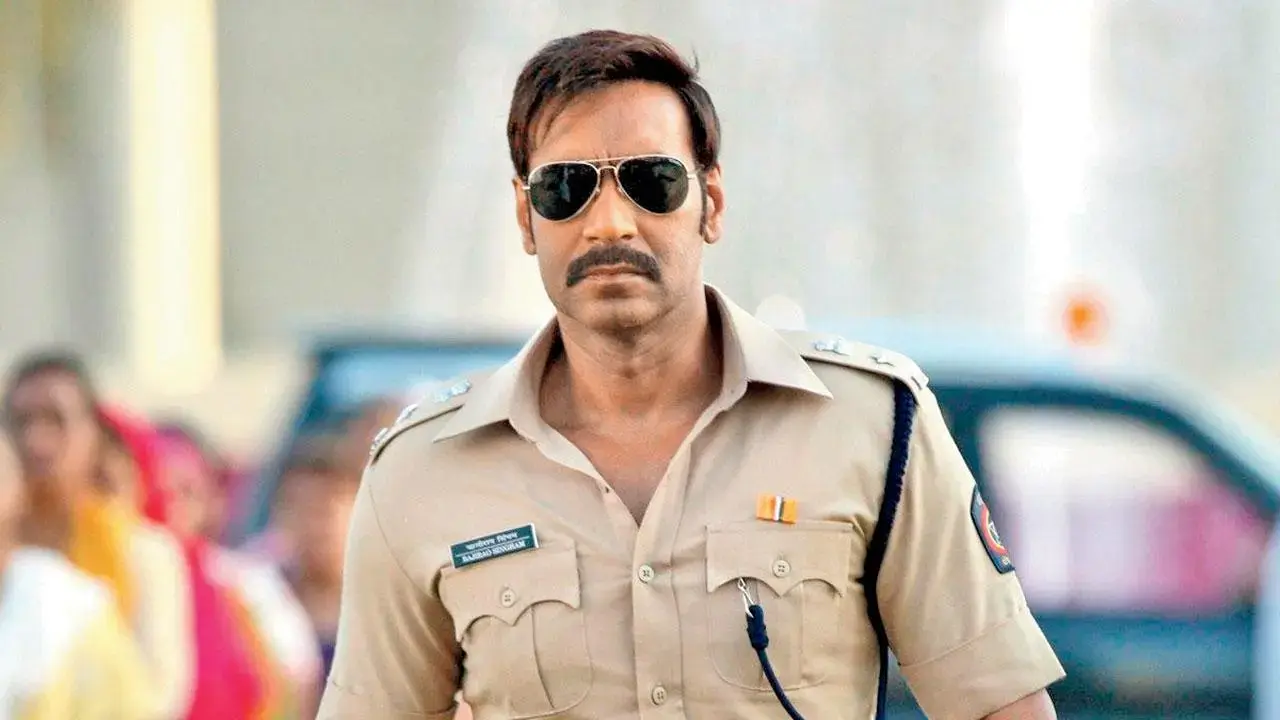
Ajay Devgn looking stern. Wearing aviators and a khaki police uniform. The background is in soft focus showing some people on the left and a car behind him.
The incorruptible protector, whose violence is celebrated as justice. Ajay Devgn in Singham, 2011.
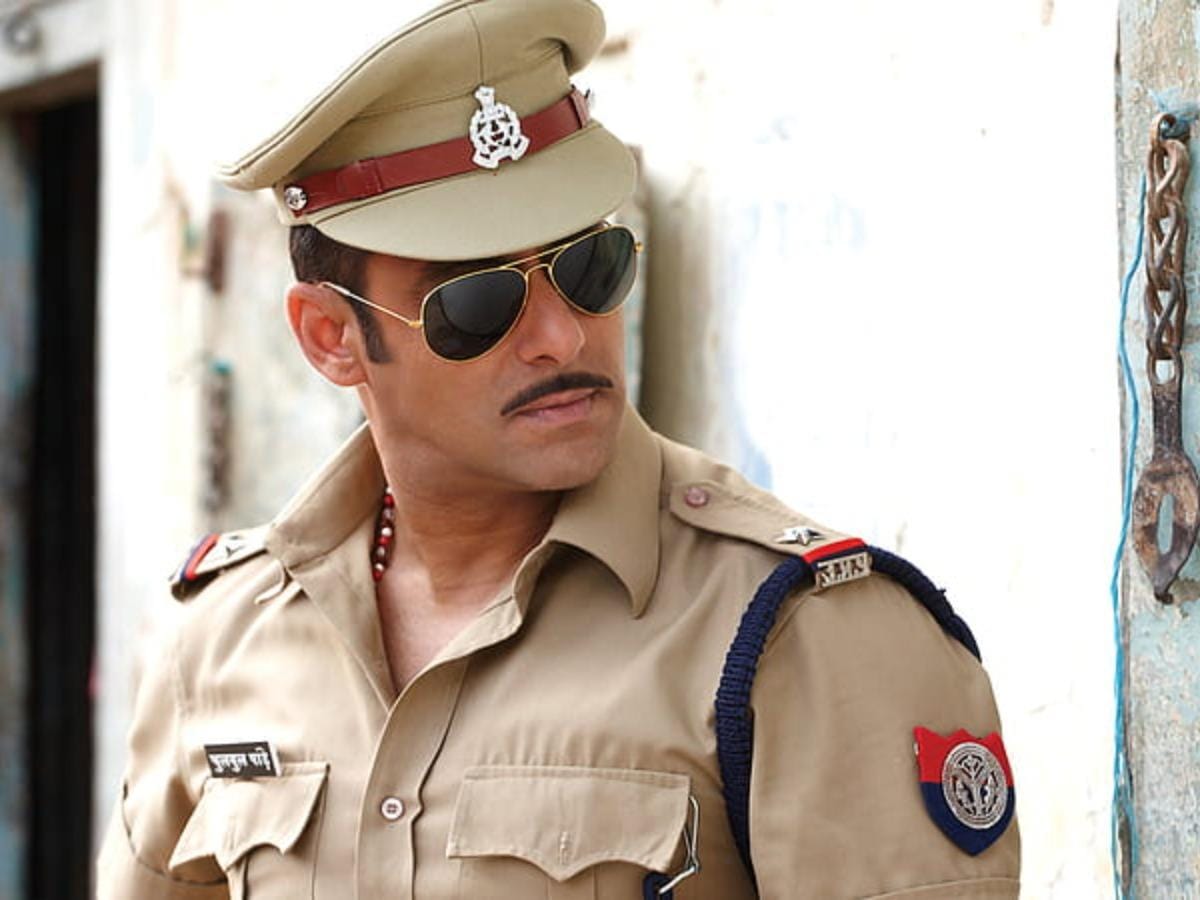
Salman Khan looking to his left; wearing a khakhi police uniform and aviators. Looking stern. Standing against a wall with an open door and something metallic hanging on the right side.
The charismatic, corrupt cop whose violence entertains. Salman Khan in Dabangg, 2010.
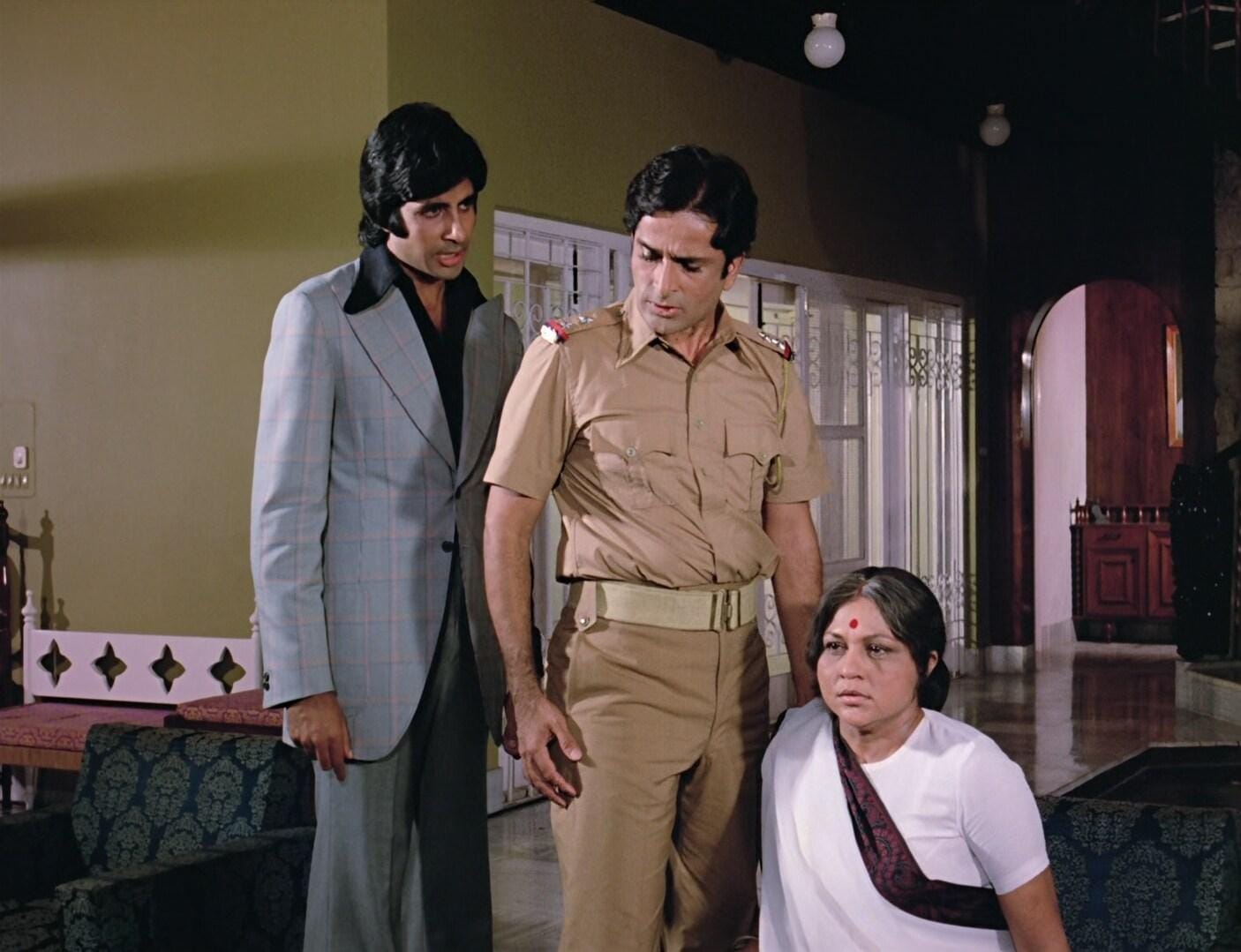
Scene from the film Deewar. In an indoor space that looks like a living room, Amitabh Bachchan is standing in a grey business suit talking to Shashi Kapoor standing in the middle wearing a khakhi police uniform. Seated to Shashi Kapoor's right is Nirupa Roy wearing a bindi and a white saree with a dark border.
The dedicated son and righteous policeman who kills his own brother in the name of duty. Shashi Kapoor in Deewaar, 1975

Indian policing has colonial roots.

Following the rebellion of 1857, the British reorganised policing through the Police Act of 1861 to control the colonised population. Independence transferred this authority to the Indian state without dismantling much of the colonial apparatus of command, coercion, and control.
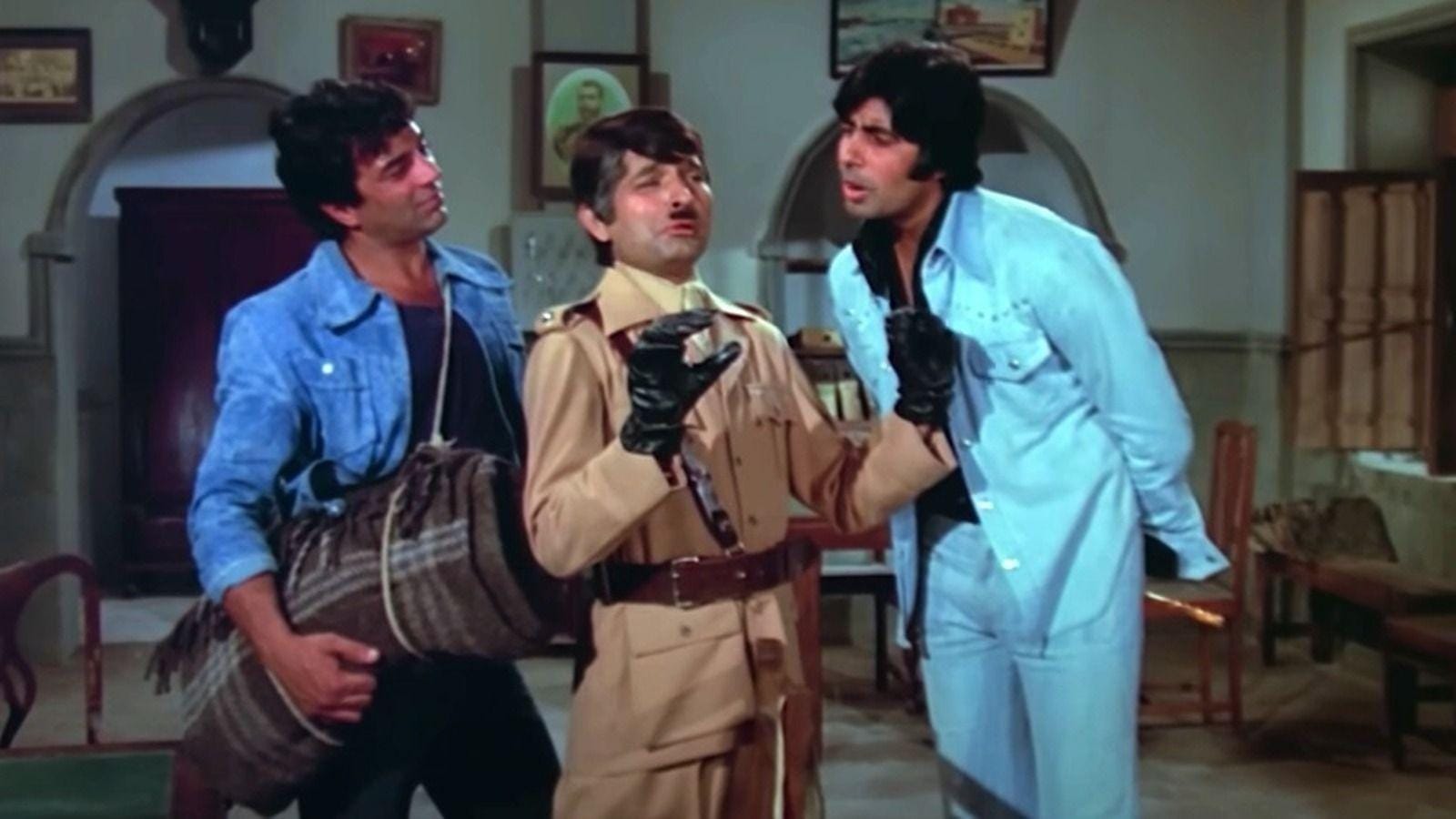
Indoor scene from the film Sholay in what looks like a police station. Dharmendra and Amitabh Bachchan are flanking Asrani who has a toothbrush moustache. He is in a khakhi police uniform, black gloves, and a wide belt.
“Hum Angrezon ke zamane ke jailer hain.” Asrani in Sholay, 1975

Policing is a tool of oppression.

Police forces operate within caste, capitalist, and cisheteropatriarchal relations. Seeing police inaction on rape and swift action against protesters as a contradiction misses the point. In both cases, police action and inaction serve existing power structures.
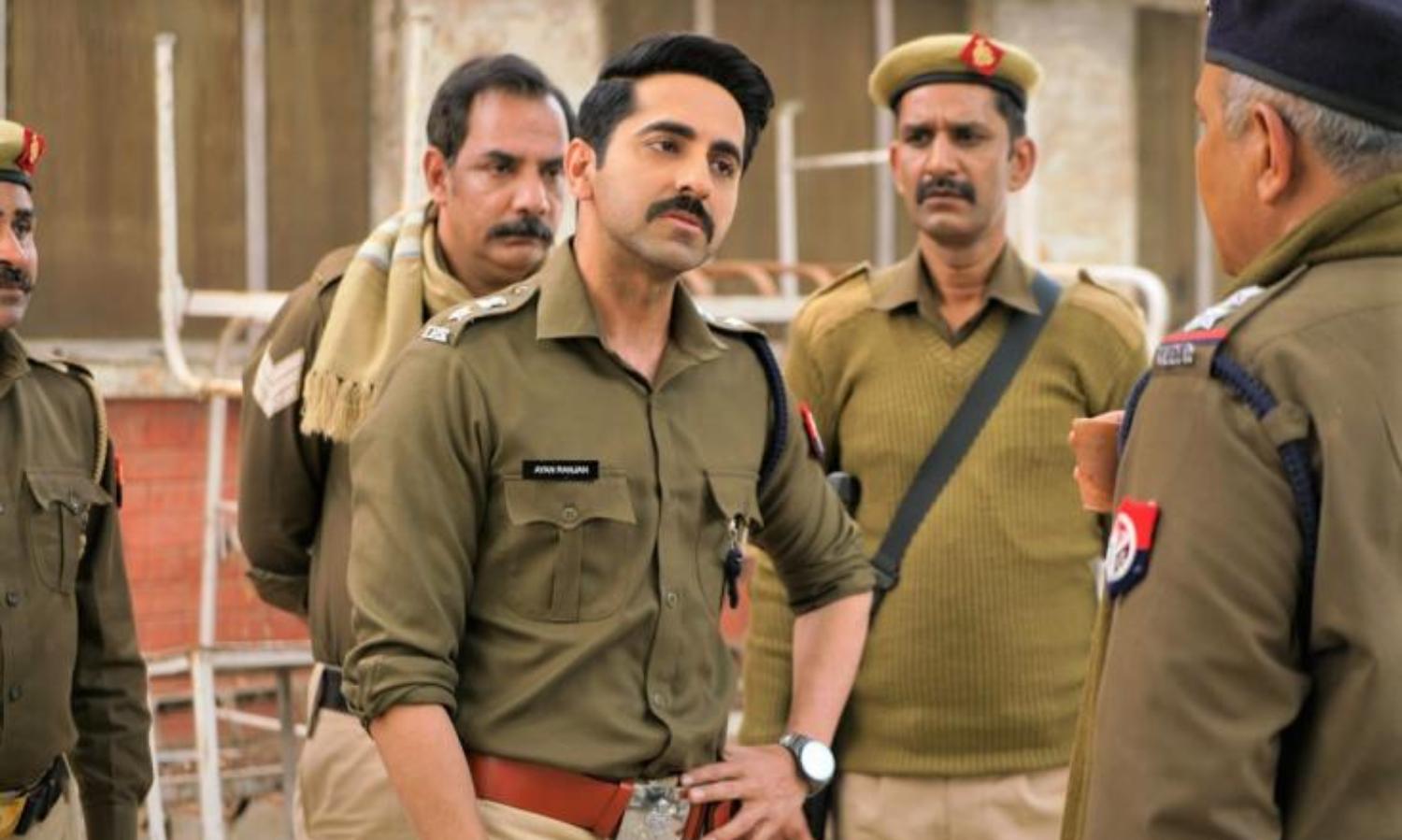
Ayushmann Khurrana is in the centre in a khakhi police uniform, with his sleeves rolled up and left hand on hip. He is talking to another police officer whose back is facing the camera. There are three other policemen in the background standing and listening to them.
The Brahmin saviour cop as a champion of Dalit minors who are victims of sexual assault. Ayushmann Khurrana in Article 15, 2019

What surprises some protestors is all too familiar to Dalit-Bahujan, Adivasi, Muslim, and other marginalised communities have faced criminalisation and repression for protesting injustice and asserting their rights. Kashmiris have long faced militarisation, detention, internet shutdowns, and violent suppression of dissent.

  • The police officer whose raid kills a Kashmiri family, given a redemptive arc. Sanjay Dutt in Mission Kashmir, 2000.
  • Which narratives distort our understanding of policing?
  • What experiences or perspectives have challenged those beliefs for you?

Share your examples and reflections in the comments, without disclosing anything that might put you or others at risk.

Visit smashboard.org and subscribe to our free newsletter.
Comments

Latest